
From an image to a useful decision.
Edge-camera prototypes, protective-equipment detection and the practical work of taking computer vision beyond the lab.
Explore the camera projectsInnovation · robotics · a life of building

I build things I want to understand. That has taken me from construction work in Slovakia to humanoid robots, GPU research and AI cameras. Today, it also means Tao: an off-grid place I have been building from the ground up.
Project Tao · ongoing
There was an old well and a broken garden house on land that was difficult even to walk through. Building Tao has meant learning about water, solar power, construction and growing things, alongside the computing and automation that help me look after it.
The Living Postcards share short observations from the place as it changes. They are a small window into a much longer project.
Where the research began
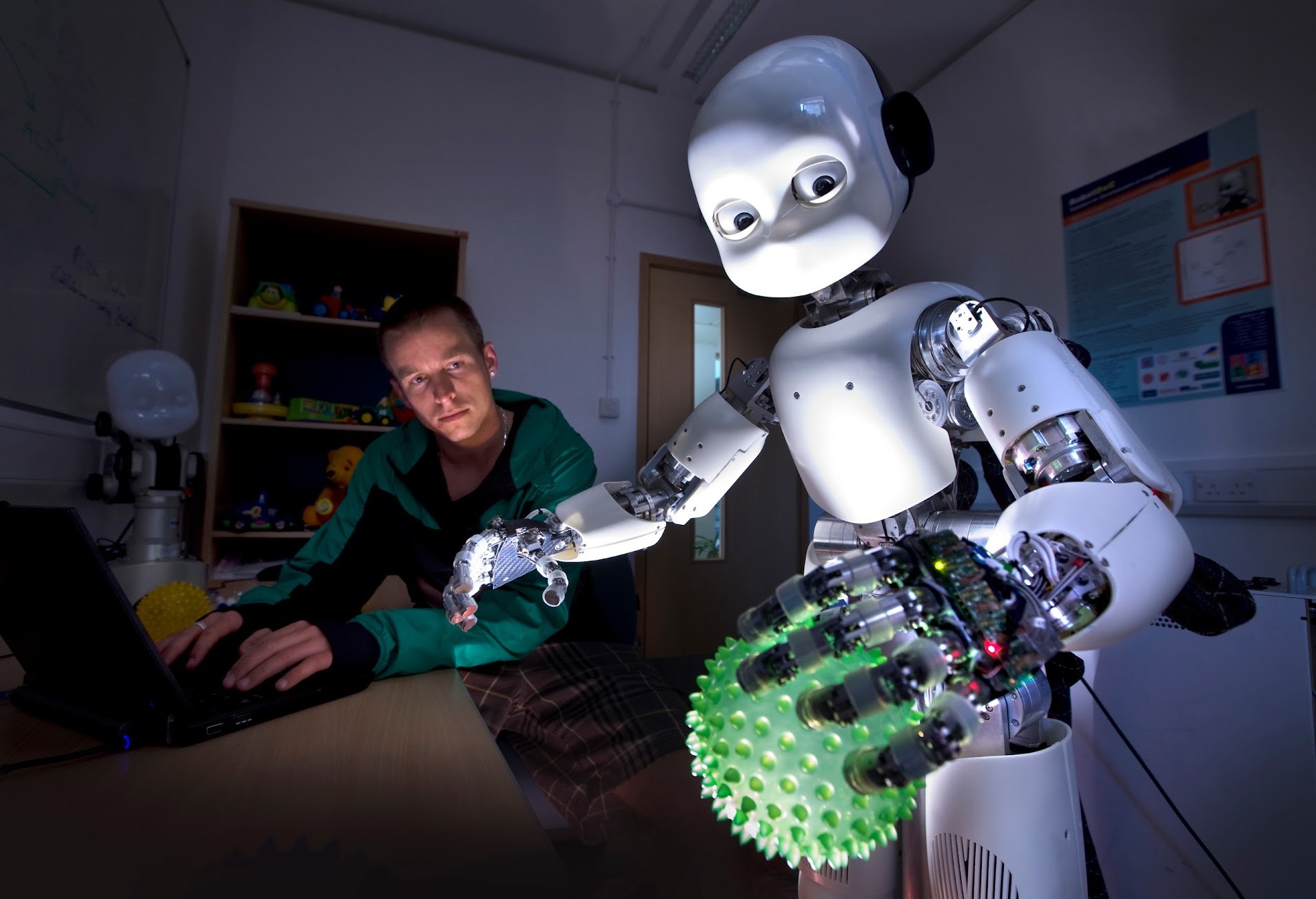
My PhD explored how GPU computing could make cognitive-robotics experiments possible at a different scale. I developed tools for iCub learning, worked on evolutionary rover control in a Plymouth–ESA collaboration, and spent summer 2012 as a research intern at NVIDIA.
An early pioneer in applying GPU computing to cognitive robotics.
The research, results and original sourcesFrom robots to cameras
My work in camera intelligence takes that curiosity into another setting: recognising what is happening in an image, relating different viewpoints, and testing the result against a world we know.
Edge-camera prototypes, protective-equipment detection and the practical work of taking computer vision beyond the lab.
Explore the camera projectsSpatial calibration and synthetic worlds: how camera observations become coordinates and how I related camera observations to a physical place.
Explore the spatial workPeople I have worked with
“A trusted, reliable, effective AI scientist!”
“extraordinary dedication to implementing technically complex projects”

TEDx Bratislava · 2014
At nineteen, I arrived in the UK with little money and little English. Years later, I stood on this stage to tell the story: the difficult beginning, the people who helped, and the childhood dream that led me into robotics.
TEDx organiser Monika Pohlová highlighted my ability to make technical subjects engaging and understandable to a wider audience.
Watch the talk and read the organiser’s introduction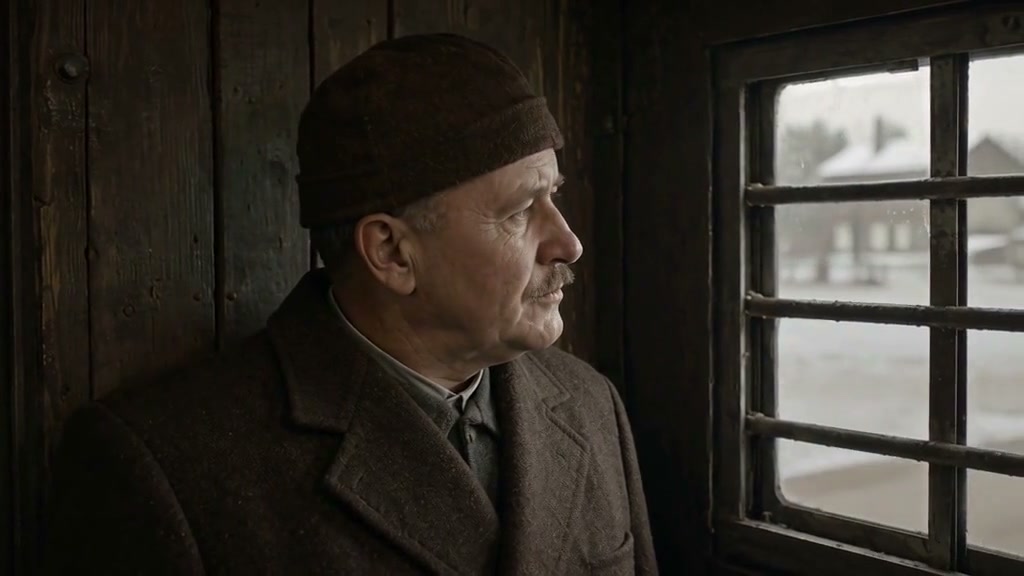
Family & legacy · Documentary
My family preserved my great-grandfather Pavol Bučan’s account of imprisonment, escape and his return home in 1945. I made this film to carry his testimony forward, including for my son Oliver.
Explore the film & family archiveBeyond the work
I am also a father, an astrophotographer and a natural bodybuilder. These are parts of my life I want to keep here, alongside the research and the things I build.
 Looking up
 Beyond the lab
Old experiments, astronomy nights, research notes and the enthusiasm of figuring things out.
Explore the writing archive